A Step-by-Step Weekend Workshop

You Can Press These "Boutique" Sundresses With Flowers From Your Own Backyard

No sewing required. You start with a plain cotton dress and press flowers into it.

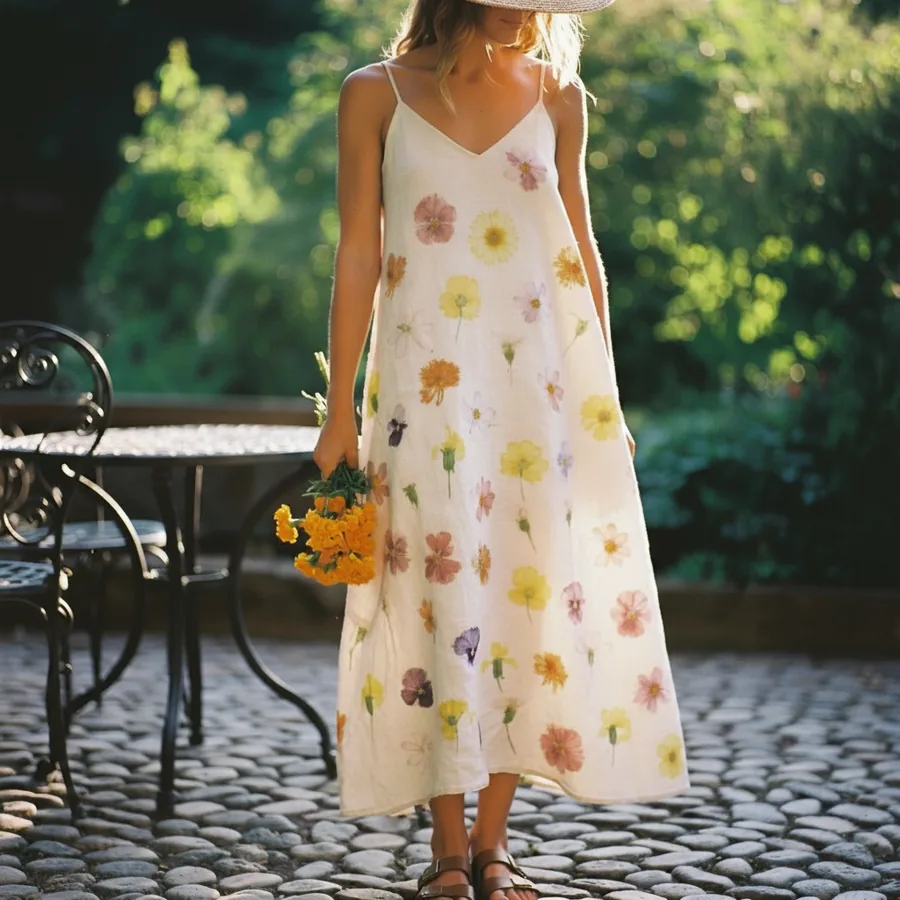
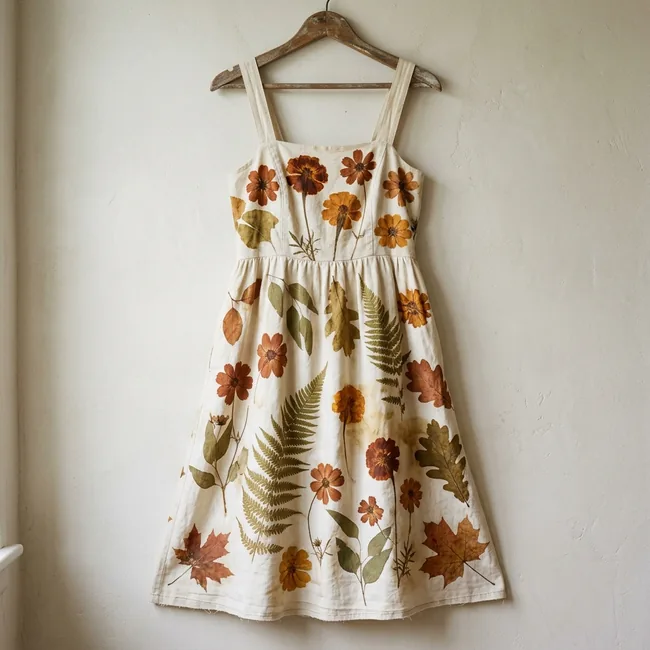
Finished ecoprinted cotton sundress with marigold, cosmos, pansy, and fern silhouette prints

Imagine slipping into a sundress you made with your own hands. Cream fabric scattered with the golden silhouettes of marigolds, bursts of cosmos orange, and soft fern impressions, every print as unique as the flowers you pressed into the cloth. No two dresses on earth like yours.

Imagine wearing it to a farmers market, a garden party, a weekend brunch. Someone stops you and asks where you got it. "I made it," you say. Their jaw drops. "You MADE that?" They run their fingers along the flower prints, convinced it came from a boutique you are keeping secret. And you just smile, because you know it took a cozy weekend, a five dollar thrift store pot, and flowers from your own yard.

Imagine doing it again next weekend with a completely different set of flowers. Different colors, different arrangement, different dress. Same thrift store pot. Same simple process. A different dress every weekend for the rest of the summer.

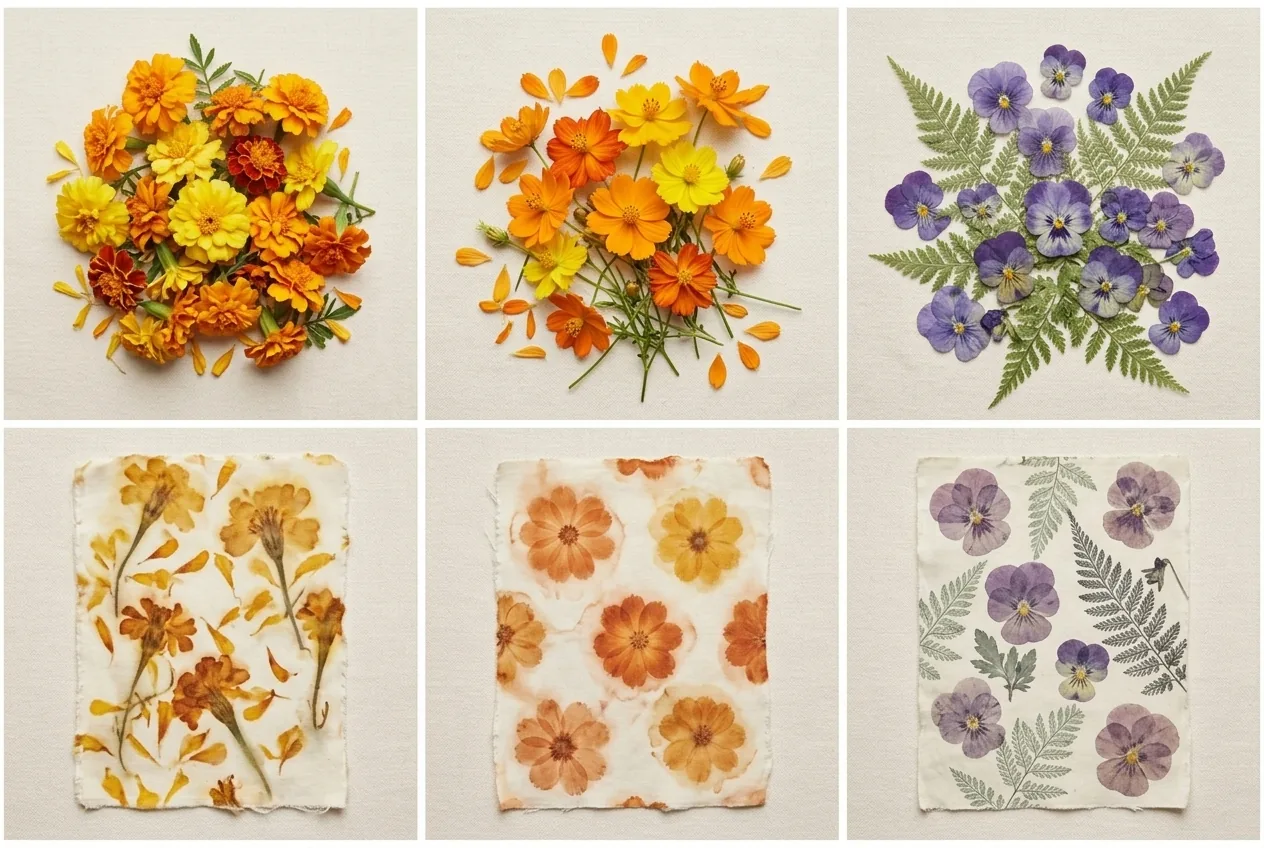
Three piles of raw botanicals (marigolds, sulfur cosmos, pansies with ferns) above three matching ecoprinted cotton fabric swatches showing the resulting amber, rust, and violet prints

Every Dress Is One of a Kind

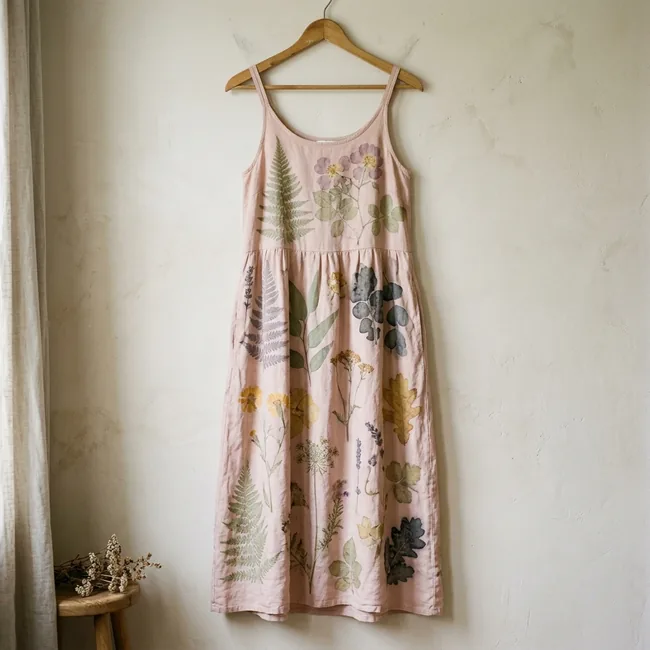
The same sundress silhouette looks completely different depending on what's blooming in your yard. Summer marigolds, autumn leaves, an avocado-dyed blush base. Your garden is your palette.

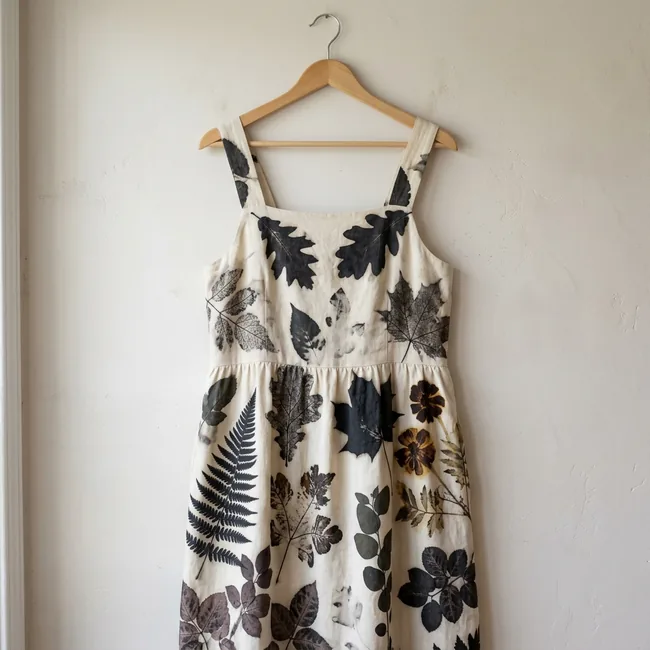
Iron-shifted ecoprint sundress with charcoal ferns, iron-blackened leaves, and deep amber marigolds

Iron Shift

Autumn harvest ecoprint sundress with burnt amber marigolds and pressed leaves

Autumn Harvest

Avocado-dyed blush ecoprint sundress with sage green and iron-charcoal botanicals

Avocado Blush Base

Why This Looks So Expensive... And Is Way More Doable Than You Think

The first time you see an ecoprinted sundress, it does not look handmade. It looks like something lifted off a $400 boutique shelf. Your first thought is probably: "That's beautiful. But I could never make that."

Here's why you can. This is not a craft where you draw, paint, or sew. The plants are the art. Marigold petals already have their own shape. Cosmos already have their own color. Ferns already have their own line work. Your job is to arrange them on cloth and let steam press them into place.

And you can do it with flowers you already have. That cluster of volunteer marigolds in your herb bed that you keep meaning to deadhead? That's your golden palette.

Your backyard is not a yard. It is a one-of-a-kind palette that no one else on earth has.
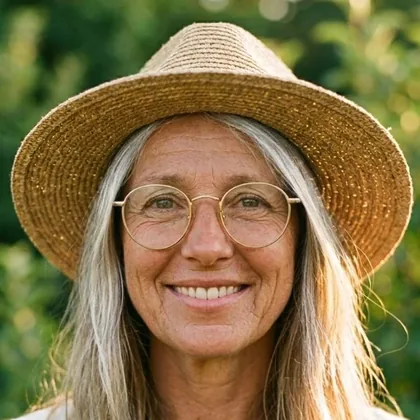
Maya A., botanical sundress workshop instructor

Maya A.

I came to ecoprinting the long way around. I paid $180 for a silk scarf at a farmers market six seasons ago, thought "I could make that," and spent the rest of that summer ruining cotton pillowcases in a pot of boiling water. Brown smudges. Zero prints. Complete disaster.

What followed was two years of experiments at my kitchen counter. Different fabrics. Different flowers. Different mordants. Different steam times. I filled three notebooks with the small adjustments that turn muddy blobs into crisp, detailed botanical prints.

Somewhere in there I learned that cotton and linen behave completely differently than silk. That the mordanting step most beginners skip is the single variable that determines whether prints last two washes or two hundred. That the flowers you arrange imperfectly almost always print more beautifully than the ones you place with a ruler.

These days my kitchen smells like simmering washing soda on most Saturdays, and there is usually a bundle of marigolds and eucalyptus resting under a tea towel somewhere in the house. This workshop is everything I wish someone had handed me in year one.

Introducing The Botanical Sundress Workshop

The Botanical Sundress Workshop course preview

The Botanical Sundress Workshop is a complete, step-by-step video course that takes you from "I've never dyed fabric in my life" to holding a finished botanical-printed cotton or linen sundress after your first weekend project. Every step mapped out in clear, follow-along lessons. Nothing assumed. Nothing skipped.

You'll scour your fabric so plant pigment actually bonds to it. You'll mordant with aluminum acetate, the dye-supply salt made specifically for cotton and linen. You'll arrange real marigolds, cosmos, pansies, and ferns from your yard or your grocery store floral section. You'll roll, steam, rest, rinse, and cure. By the end of the final module, you'll hold up a dress covered in botanical prints that hold their color through dozens of gentle hand-washes.

And once you have made your first one, you have the skills to make another in a completely different style. New flowers, new color palette, new arrangement. The process is the same. The result is always unique.

What You'll Learn

Five video modules. Practical, hands-on, zero fluff.

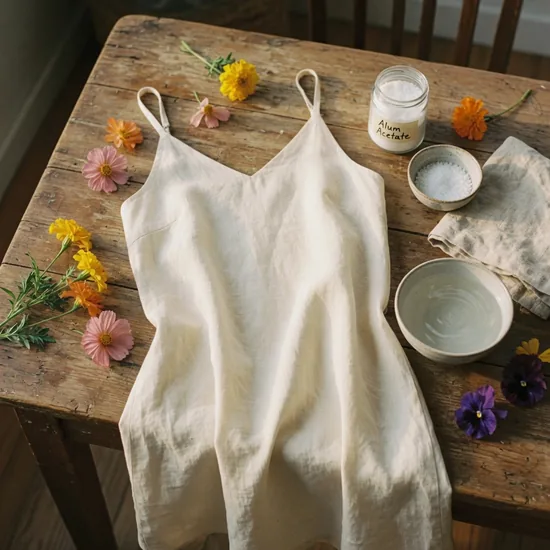
Module 1: The Weekend Prep, aluminum acetate and scouring supplies

Module 1

The Weekend Prep

How to scour and mordant a plain white cotton or linen sundress with aluminum acetate so every flower and leaf you press into it transfers with crisp, lasting color.

  • The single most important prep step that separates vivid, lasting prints from the brown smudges that send most beginners straight to the bin
  • How to scour your dress in a one to two hour simmer with washing soda, stripping the factory coatings that block botanical pigment from bonding to cotton and linen
  • How to mordant your fabric overnight using aluminum acetate, the dye-supply salt made for cotton and linen (not the grocery-store alum that works on wool and silk but fades on cellulose within a few washes)
  • The simple calcium carbonate afterbath that fixes the mordant in the cloth so it does not rinse back out the first time your dress hits water
  • The basic safety setup for working with powdered mordants and soda ash: gloves, good ventilation, and a simple dust mask when measuring, so you work calmly at your kitchen counter without nose or throat irritation
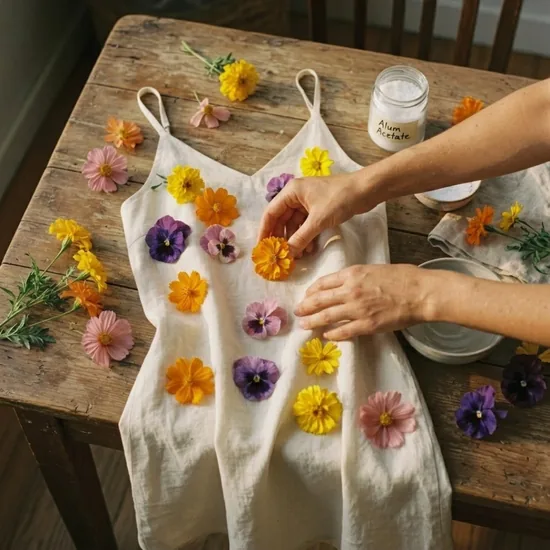
Module 2: The Botanical Blueprint, arranging fresh flowers on a cotton sundress

Module 2

The Botanical Blueprint

How to choose, prepare, and arrange marigolds, sulfur cosmos, pressed ferns, pansies, and other botanicals so your reliable printers deliver crisp long-lasting color and your softer flowers give delicate seasonal accents.

  • The three flowers every beginner should build their first dress around (marigolds, sulfur cosmos, and pressed ferns) and why these transfer the most reliable lasting pigment on cotton and linen
  • How to source beautiful printing botanicals for under five dollars from any grocery store floral section, garden center, or farmers market, no yard or foraging experience required
  • Why the flowers you arrange imperfectly almost always produce more beautiful prints than the ones you place with careful precision
  • How to layer your long-lasting printers with the softer seasonal color of pansies and garden cosmos, so you know which parts of your design stay vivid for years and which soften into a vintage watercolor memory
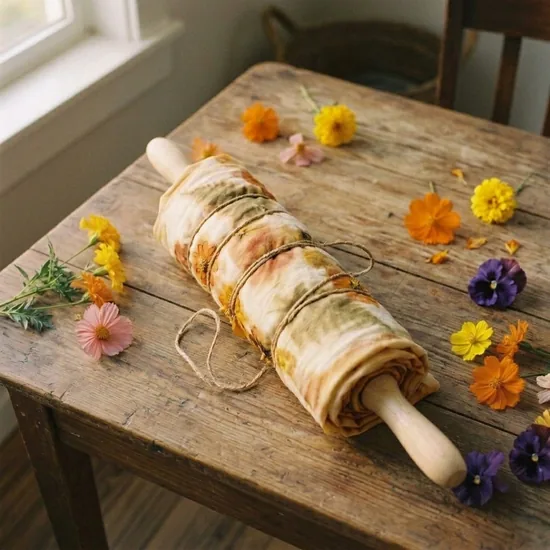
Module 3: The Steam Reveal, rolling a bundled sundress with flowers around a wooden dowel

Module 3

The Steam Reveal

The step-by-step bundling and steaming process that bonds real botanical pigments into your fabric through mordant, heat, and contact pressure. The timing that separates faded ghosts from prints that make people stop you on the street.

  • How to roll and secure your bundle around a wooden rolling pin or broomstick so tight contact between the flowers and fabric gives you sharp, detailed impressions with visible petal edges and leaf veins
  • How to turn a five dollar thrift store stockpot into your dedicated dye pot, the only specialty equipment this entire process requires (and why you never go back to boiling pasta in a pot that has touched mordants)
  • The three most common reasons first-time prints come out faded and blurry, and the simple adjustment that fixes all three before you roll your next bundle
  • Why leaving your bundle to rest overnight after steaming produces dramatically deeper, more defined prints than unwrapping it the moment it comes off the heat
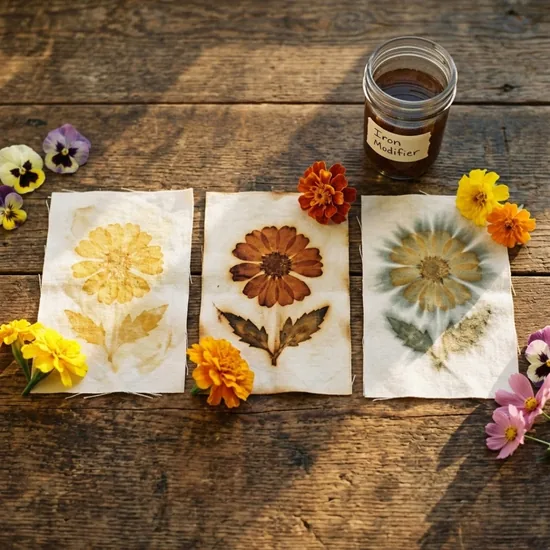
Module 4: Color and Variation, ecoprint swatches showing iron modifier color shifts

Module 4

Color and Variation

How to use simple modifiers to shift, deepen, and expand the color range of your botanical prints so every dress you make looks completely different from the last one.

  • How iron water (made from rusty nails, white vinegar, and tap water for under two dollars) shifts marigold yellows into deep burnt amber and pulls leaf greens into rich charcoal tones
  • The iron blanket technique that pulls color from your botanicals in a completely different way, giving you the sharp dark definition and crisp leaf outlines that separate professional-looking prints from watercolor blurs
  • How to create a cohesive color palette across your whole dress by choosing botanicals that complement each other rather than compete
  • Why the same marigold pressed into the same fabric on two different weekends can produce two completely different colors, and how to use that unpredictability to your advantage
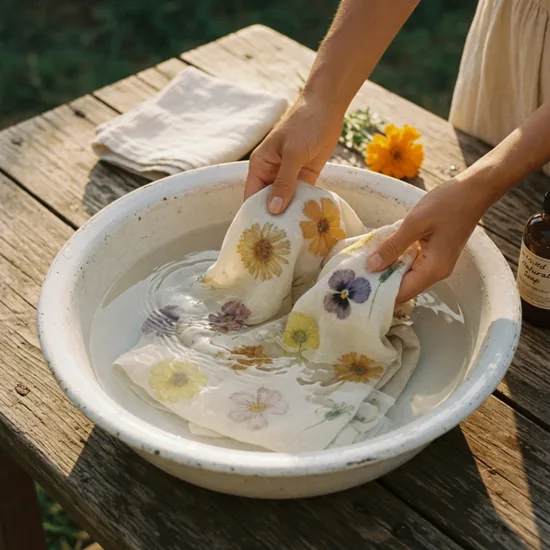
Module 5: The Forever Print, rinsing a finished ecoprinted sundress in a basin

Module 5

The Forever Print

How to rinse, cure, and care for your finished dress so the botanical prints stay vivid and sharp through dozens of washes, not just the first one.

  • The cure-and-rinse protocol that finishes setting your prints before the first real wash, including the one to two week cure window most beginners skip that turns soft prints into lasting ones
  • How to hand-wash your botanical sundress at home using nothing but cool water and a pH-neutral soap, no dry cleaning, no machine cycles, no guesswork
  • The reason most DIY ecoprints fade to nothing after three machine washes and the simple hand-wash ritual that makes sure yours stay vivid for years
  • How to store, display, and rewear your dress so the prints stay vibrant through dozens of gentle washes and the slow softening that gives natural dye work its handmade signature

3 Free Bonuses (Included Today)

FREE BONUS Bonus 1: The Botanical Styling Lookbook

$47 Value. Yours FREE

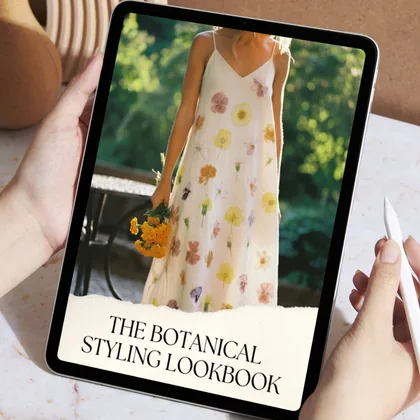
The Botanical Styling Lookbook

Photograph and style your finished sundress so beautifully people online think you are running a fashion brand.

  • How to photograph your botanical sundress in natural light using nothing but a smartphone, and get results that look like a professional fashion editorial
  • The single styling trick that editorial photographers use to make botanical prints pop in photos without a single editing app or filter
  • How to style one sundress three completely different ways for a farmers market morning, a garden party afternoon, and a casual weekend brunch, using pieces you already own
FREE BONUS Bonus 2: The Botanical Print Guide

$37 Value. Yours FREE

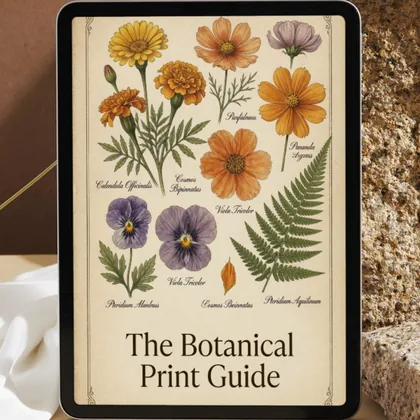
The Botanical Print Guide

A visual reference guide to which flowers, leaves, and modifiers produce which colors on cotton and linen, so you always know what to reach for.

  • The reference guide for 40+ botanicals available from your backyard, local garden center, grocery store floral section, or farmers market, with the typical color range each produces on cotton and linen and notes on where results shift with season, water, and exact process
  • The four common flowers that look stunning in a vase but leave weak, muddy, or short-lived prints on fabric after steaming, and what to grab instead
  • Which botanicals produce reliable, consistent results every time and which ones surprise you differently depending on the season, so you always know what to expect before you roll your bundle
FREE BONUS Bonus 3: The Botanical Color Recipe Cards

$67 Value. Yours FREE

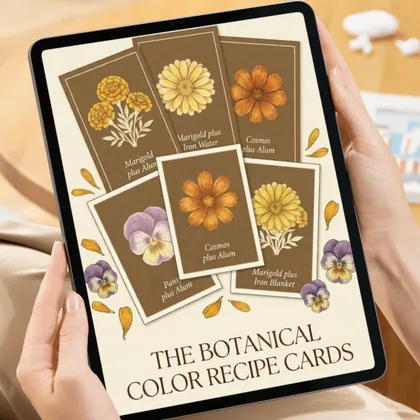
The Botanical Color Recipe Cards

Printable reference cards showing exactly which flowers combined with which modifiers produce which colors on cotton and linen.

  • Every color combination covered in the workshop laid out on a single printable card set you can pin above your workspace and refer to every time you start a new bundle
  • How to combine marigold yellows, cosmos oranges, and pansy purples with simple iron water modifiers to produce an entirely different color palette from the exact same flowers
  • The quick reference guide that turns Module 4 from a lesson you watched once into a tool you use every single weekend

For Just $47 You Get Everything

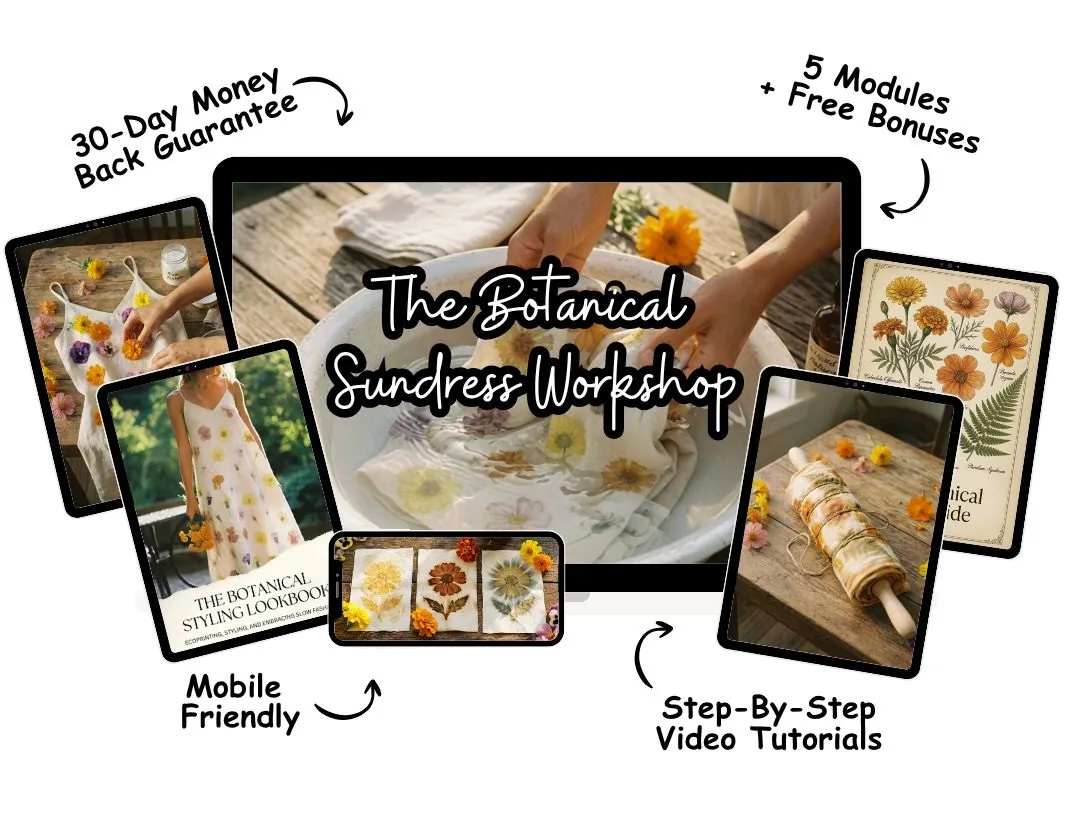
The Botanical Sundress Workshop course bundle
  • The Complete Botanical Sundress Workshop $97 value
  • Bonus: The Botanical Styling Lookbook $47 value, FREE
  • Bonus: The Botanical Print Guide $37 value, FREE
  • Bonus: The Botanical Color Recipe Cards $67 value, FREE
Total Value: $248
You Pay: $47

ONE-TIME PURCHASE. LIFETIME ACCESS FOREVER.

Press Your First Botanical Sundress Now

One-time purchase. Lifetime access. Start this weekend or come back when your flowers are blooming.

🔒 Secure Payment 256-bit SSL 30-Day Guarantee PayPal Visa / MasterCard

Maybe You're Thinking...

"But I'm not artistic. I can barely draw a stick figure." You are not drawing anything. The plants are the art. If you can lay flowers on a table, you have every skill this requires. Some of the most striking dresses come from people who arrange their botanicals imperfectly, because asymmetry and organic overlap create that editorial look you cannot fake with a ruler.

"Will the prints actually last, or wash out after a few wears?" With aluminum acetate, the calcium carbonate afterbath, and the cure window Module 5 walks you through, your prints hold through dozens of gentle hand-washes. Skipping those steps is why most DIY ecoprints fade. Following them is why ours do not.

"What if I ruin the dress on my first attempt?" Start with a thrift-store sundress. Five to ten dollars. That is your practice canvas. No zippers to install, no seams to sew, no pattern to cut. You are not making a dress from scratch, you are finishing one that already exists. Your second attempt is the one you wear to the farmers market.

30-DAY GUARANTEE

30-Day Money Back Guarantee

You don't have to make the final decision now. Get instant access to the full workshop today and try it out. Watch the videos. Read the botanical guide. Start prepping your first piece of fabric. If at any point within 30 days you feel like this isn't for you, send us one email and receive your money back within 24 hours. NO QUESTIONS ASKED. No hoops to jump through. No forms to fill out. No exit interview. Just a refund, deposited back to you. You're only trying it.

Frequently Asked Questions

Immediately. The moment you complete your purchase, you get instant access to every module, every guide, and every bonus. It's fully pre-recorded, so you watch on your own schedule. Pause, rewind, rewatch as many times as you want. There's no cohort start date, no deadlines, no "you must finish by" date. It bends to your life, not the other way around.

None at all. The course was built for complete beginners. Module 1 walks you through sourcing aluminum acetate and calcium carbonate (the two specialty items), combining them with grocery-store washing soda, and turning a thrift store stockpot into your dedicated dye pot. If you can follow a simple recipe, you can follow this process.

A large stockpot you dedicate to craft work (thrift store pots run five to ten dollars), aluminum acetate from a dye supply retailer like Dharma Trading or Botanical Colors (fifteen to twenty-five dollars for a pound, enough to mordant a dozen dresses), washing soda from any grocery store, calcium carbonate powder from a pharmacy or dye supplier, a cotton or linen sundress, and fresh leaves and flowers. You will also want gloves, a simple dust mask, and good ventilation when measuring powdered mordants. Module 1 includes a complete shopping list with links. Most students spend thirty-five to forty-five dollars on their first round of supplies, with enough mordant and scour left over for ten to twelve more dresses.

Most of the active work fits into a single weekend. Saturday you scour and mordant your dress (about forty-five minutes of hands-on time, then the fabric soaks overnight). Sunday you arrange your botanicals, roll your bundle, steam it for two to three hours, and let it rest overnight. Monday morning you rinse the finished piece, then hang it to cure for one to two weeks before its first real wash. Total active time across the weekend: under four hours. The patience window after is what separates prints that last from prints that fade.

Yes. One-time payment. No monthly fees. No subscription. No hidden charges. No "premium tier" that locks content behind a paywall. You pay once and you own everything: the full course, all three bonuses, and all future updates. Forever.

You're covered by a 30-day money-back guarantee. If you don't love the course for any reason (or no reason at all), send one email and you'll receive a full refund within 24 hours. No questions asked. No forms. No awkward phone call. Just your money back.

Lifetime. Forever. The course is yours to keep. Rewatch the modules before every new dress you make. Revisit the botanical guide each season. Come back to it in five years when you want to try silk instead of linen. It will always be there.

HD video lessons you can stream on any device: phone, tablet, laptop, or desktop. Each module is broken into short, focused lessons so you can follow along step-by-step at your workspace. You also get downloadable PDF guides you can print and keep next to your pot.

Free tutorials show you the concept. Boil some leaves, hope for the best. This course gives you the complete system: which specific plants create which colors on cotton and linen, the exact aluminum acetate mordanting ratios that make prints bond rather than wash out, the calcium carbonate afterbath that fixes the mordant, and the cure window most beginners skip. We've cut out the trial-and-error that costs most people five to ten failed attempts and a pile of wasted fabric.

Completely. Your payment is processed through secure, SSL-encrypted checkout using the same trusted processors you already know: PayPal, Visa, Mastercard, Discover, and American Express. Your financial information is never stored on our servers. And you're backed by a 30-day money-back guarantee, so there is zero risk either way.

The course includes a botanical guide covering 40+ plants that print beautifully on cotton and linen, and many of them are common grocery store herbs, garden flowers, or roadside weeds. Marigolds, sulfur cosmos, ferns, rose leaves, Queen Anne's lace, sage, and more. The guide also flags fiber-specific plants (some eucalyptus species print gorgeously on wool but weakly on cotton) so you are never chasing a color the wrong fabric cannot hold. If you have a nearby park or a grocery store with a floral section, you have more than enough to create a stunning dress.

Ready to Press Your First One-of-a-Kind Botanical Sundress?

I built this workshop because I remember what it felt like to open my first bundle and find brown smudges where I expected flowers. Two years of notebooks later, the prints started looking the way I always pictured. That's what's inside this course. The full system, in the order that actually works, so your first dress is the one you wear, not the one you throw away.

Your next sundress is already hanging in a thrift-store rack somewhere, and your marigolds are already blooming. Come make your first one.

Maya A.

ONE-TIME PURCHASE. LIFETIME ACCESS FOREVER.

$97 $47
Press Your First Botanical Sundress Now

One-time purchase. Lifetime access. Start this weekend or come back when your flowers are blooming.

🔒 Secure Payment 256-bit SSL 30-Day Guarantee PayPal Visa / MasterCard